11 November 2026
Storm Damage Roof Repair: When to Patch and When to Replace
Presented by @rainydayhouse
Storm Damage Roof Repair: When to Patch and When to Replace
A severe storm can leave your roof looking like it went through a shredder. Missing shingles, dented flashing, maybe a fallen branch punched through the decking. In the hours after the wind dies down, the question that hits every homeowner is the same: should I repair the damage or tear off the whole thing and start fresh? The answer depends on several factors, and getting it wrong can cost you time, money, and peace of mind.
The first step after any storm is safety. Do not climb onto a wet or unstable roof. Instead, look from the ground with binoculars, or check your attic for daylight and water stains. If you spot a leak, a temporary tarp can stop further water intrusion until you can bring in a professional. But that tarp is only a stopgap. The real decision - repair or replace - comes once you have a clear picture of the damage.
What kind of damage are we talking about?
Storm damage to roofs falls into a few broad categories. You might have cosmetic damage, like a few missing shingles or a dented ridge cap. That is often a straightforward repair. Then there is structural damage, where wind uplift has pulled the decking away from the trusses, or a heavy branch has cracked a rafter. That kind of issue moves the conversation toward replacement. A roof inspection by a qualified roofer can sort out which category your roof is in, but you can do a preliminary assessment yourself from the ground.
READY ROOFING, LLC is also on Instagram.
Look for signs of wind uplift: curled or lifted shingles, gaps along the ridge, or flashing that has pulled away from chimneys and vents. Hail impact leaves small divots or cracks in asphalt shingles, and over time those weakened spots can lead to leaks. If you see granules from shingles in your gutters, that is a sign of advanced wear that a storm has accelerated. A fallen branch may have punctured the decking, which is a clear structural concern. You should also check for interior signs: water stains on ceilings, peeling paint, or a musty smell in the attic. These clues help you understand the scope of the problem.
When a repair makes sense
Repair is the right call when the damage is limited to a small area and the rest of the roof is in good condition. If your roof is less than ten years old, the shingles are still pliable, and the storm only tore off a few pieces, a patch job can restore the waterproofing and match the existing look. The same goes for isolated hail damage on a roof that has years of life left. A roofer can replace individual shingles, reseal flashing, and fix minor issues without disturbing the rest of the structure.

Repair also works well for localized wind uplift. If just one section of shingles has pulled loose, a skilled contractor can nail them back down and seal the edges. The key is that the underlying decking and framing must be sound. If the wood is dry and solid, there is no reason to replace the whole roof. A repair is faster, less disruptive, and costs significantly less. But you have to be honest about the condition of the rest of the roof. If the surrounding shingles are brittle or curled, a patch may look mismatched and may not last.
Another scenario where repair fits is when you have a temporary fix that buys time. Maybe you are planning to replace the roof in a few years anyway, and the storm damage is minor. In that case, a repair can keep the roof watertight until you are ready for a full replacement. Just make sure the repair is done properly; a sloppy patch can lead to bigger leaks down the road.
When replacement is the better choice
Full replacement becomes necessary when the damage is widespread or structural. If wind uplift has pulled the decking away from the rafters, or if a fallen branch has cracked multiple trusses, the roof no longer has the strength to support itself and the loads it carries. In those cases, repairing individual spots leaves weak points that can fail in the next storm. A replacement gives you a fresh, continuous load path.
Age is another factor. If your roof is already twenty years old and the storm has caused significant granule loss, curling, or cracking, a replacement is often more cost-effective than chasing leaks with patches. The same logic applies if the storm damage covers more than about thirty percent of the roof surface. At that point, you are essentially replacing half the roof anyway, and the seams between old and new sections become potential failure points. A complete tear-off and new installation eliminates those weak spots.
Insurance also plays a role. Most homeowners policies cover storm damage, but they typically pay for the actual cash value of the damaged portion, which accounts for depreciation. If your roof is old, the insurance payout for a repair may be small, while a replacement claim could cover a larger share of the cost. You should review your policy and talk to your adjuster before making a decision. That said, do not let an insurance claim drive the choice alone; the structural reality of your roof matters more.
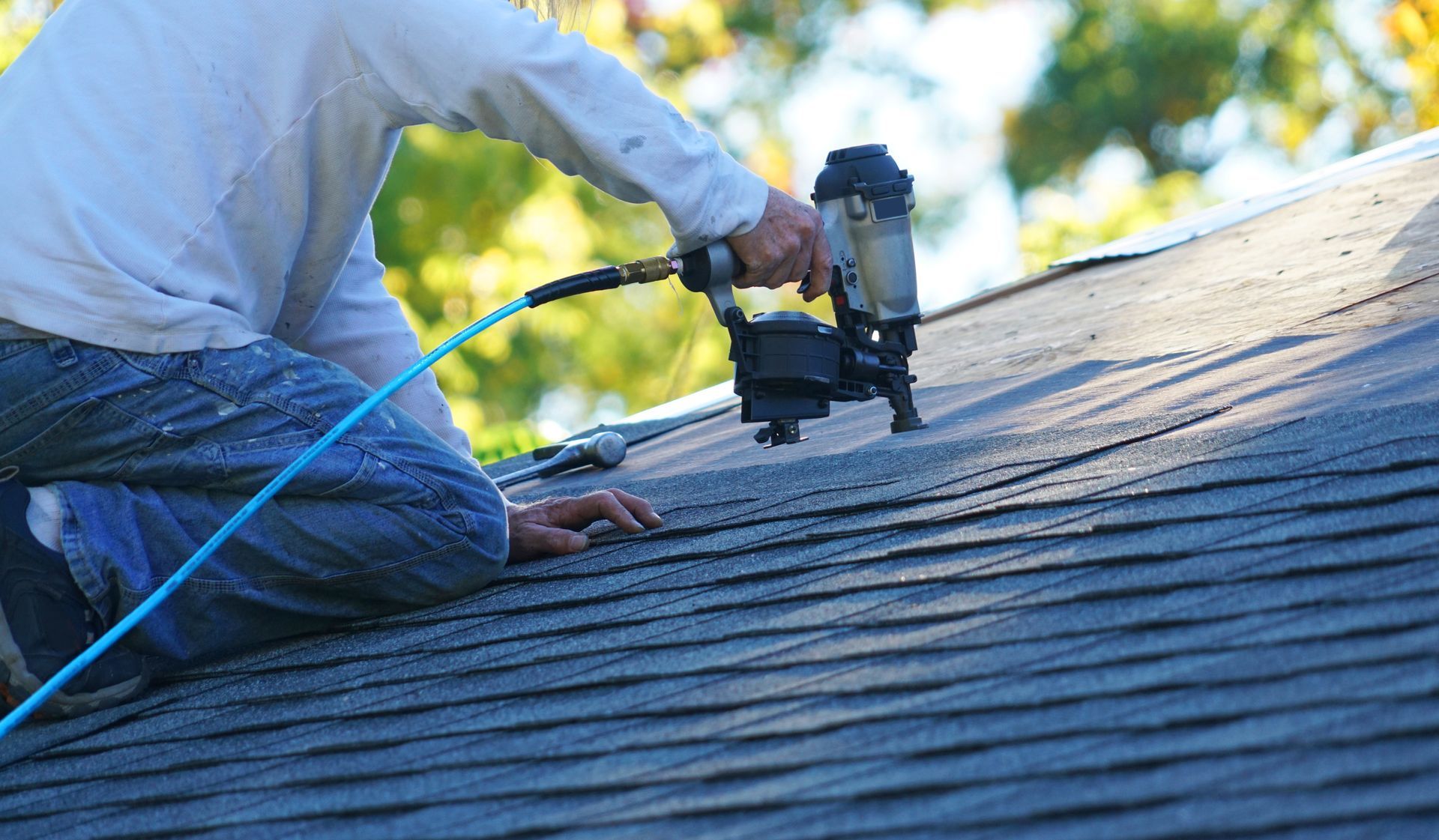
Once you have a clear picture from a roof inspection, the next move is to seek professional help after roof damage. A qualified roofer can assess the extent of the damage, check the decking and framing, and give you a recommendation based on the roof's actual condition, not just a visual guess. That is your best assurance that the work you choose will hold up.
What to expect during the assessment
A thorough inspection covers several areas. The roofer will look at the shingles for hail impact and wind uplift. They will check the flashings around chimneys, vents, and skylights, as these are common leak points after a storm. They will also examine the decking from inside the attic, looking for signs of water damage or structural movement. If there is a temporary tarp, they will check under it to see what the storm really did.
The inspector will also evaluate the roof's overall age and condition. A roof that is near the end of its service life may not be worth patching, even if the storm damage is minor. Conversely, a newer roof with isolated damage is a clear candidate for repair. The roofer will also note any pre-existing issues, like poor ventilation or improper installation, that the storm may have exposed. That information helps you decide whether to invest in a full replacement that addresses those underlying problems.
Making the final call
After the inspection, you will have a list of findings and a recommendation. If the recommendation is a repair, ask for a detailed scope of work: which shingles will be replaced, how the flashing will be sealed, and what warranty the repair carries. If the recommendation is a replacement, get a quote that includes tear-off, new underlayment, new flashing, and proper ventilation. Compare those numbers against the insurance payout and your own budget.
Remember that a roof is a system, not just a covering. A storm can damage the underlying layers in ways that are not visible from the outside. That is why professional help after roof damage is so important. A roofer can spot hidden issues like moisture trapped in the insulation or a shifted ridge beam that you would never see from the ground. Acting on that knowledge early can prevent a small problem from becoming a major structural failure.
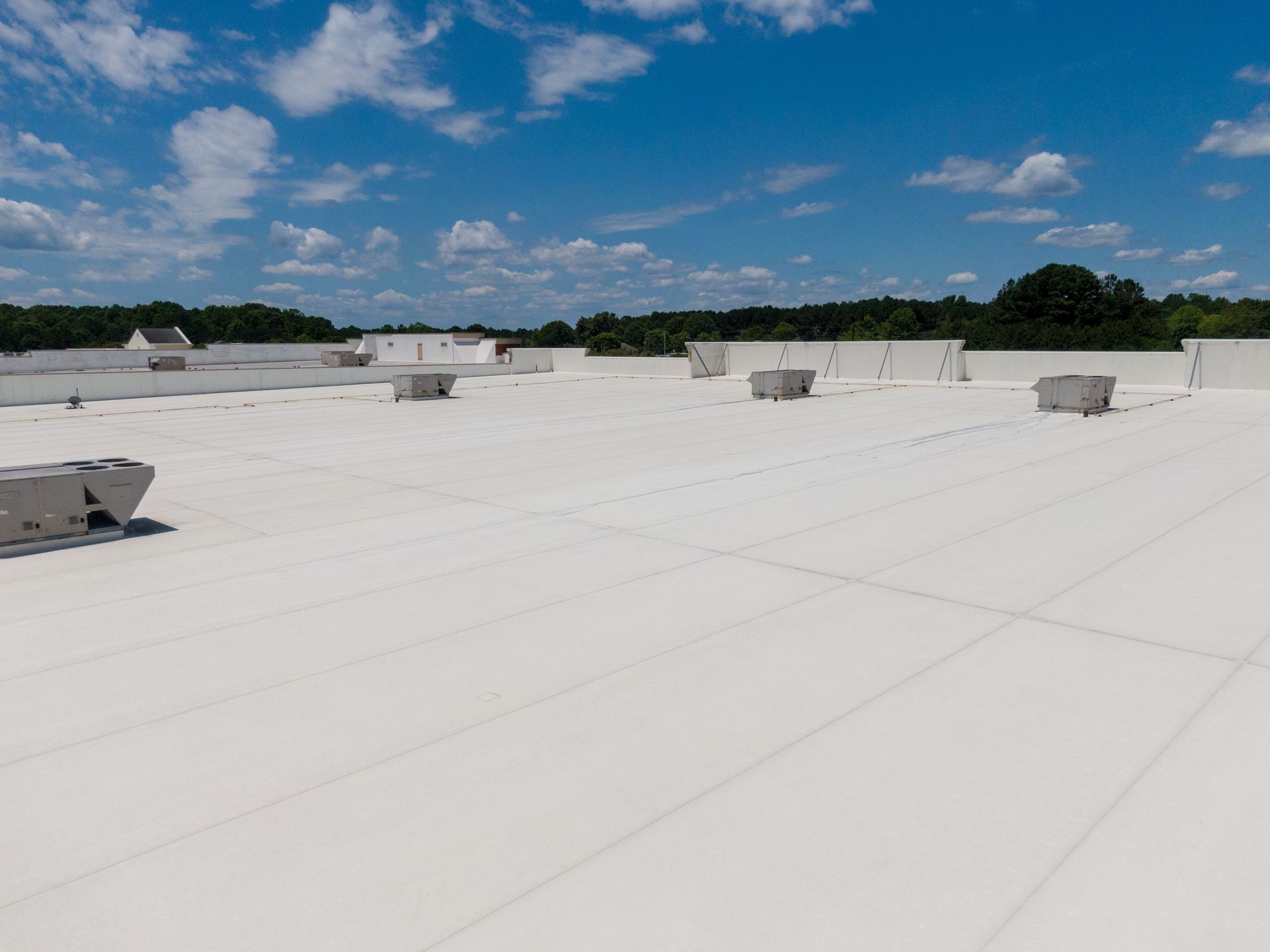
Ultimately, the decision comes down to the roof's age, the extent of the damage, and your long-term plans for the property. If you plan to stay in the home for many years, a replacement may be the better investment, even if a repair would work for now. If you are selling soon, a clean repair that passes inspection may be enough. In either case, take the time to get a proper roof inspection and weigh the options carefully. A hasty decision can lead to more problems, while a thoughtful one gives you a roof that will last.
Ready Roofing, LLC, located at 5105 Philips Hwy Ste 205, Jacksonville, FL 32207, USA, provides residential and commercial roof repairs, replacements, inspections, and storm damage restoration across Northern Florida, and can be reached at +1 904-404-9849 for assistance with your storm damage needs.